M
Marisol Vega
3 weeks ago
Three companies gave us monthly payments. Daylight gave us a one-page sheet with the actual system price, the loan terms, and the payback math — before anyone came to the house. That's why they got the job.

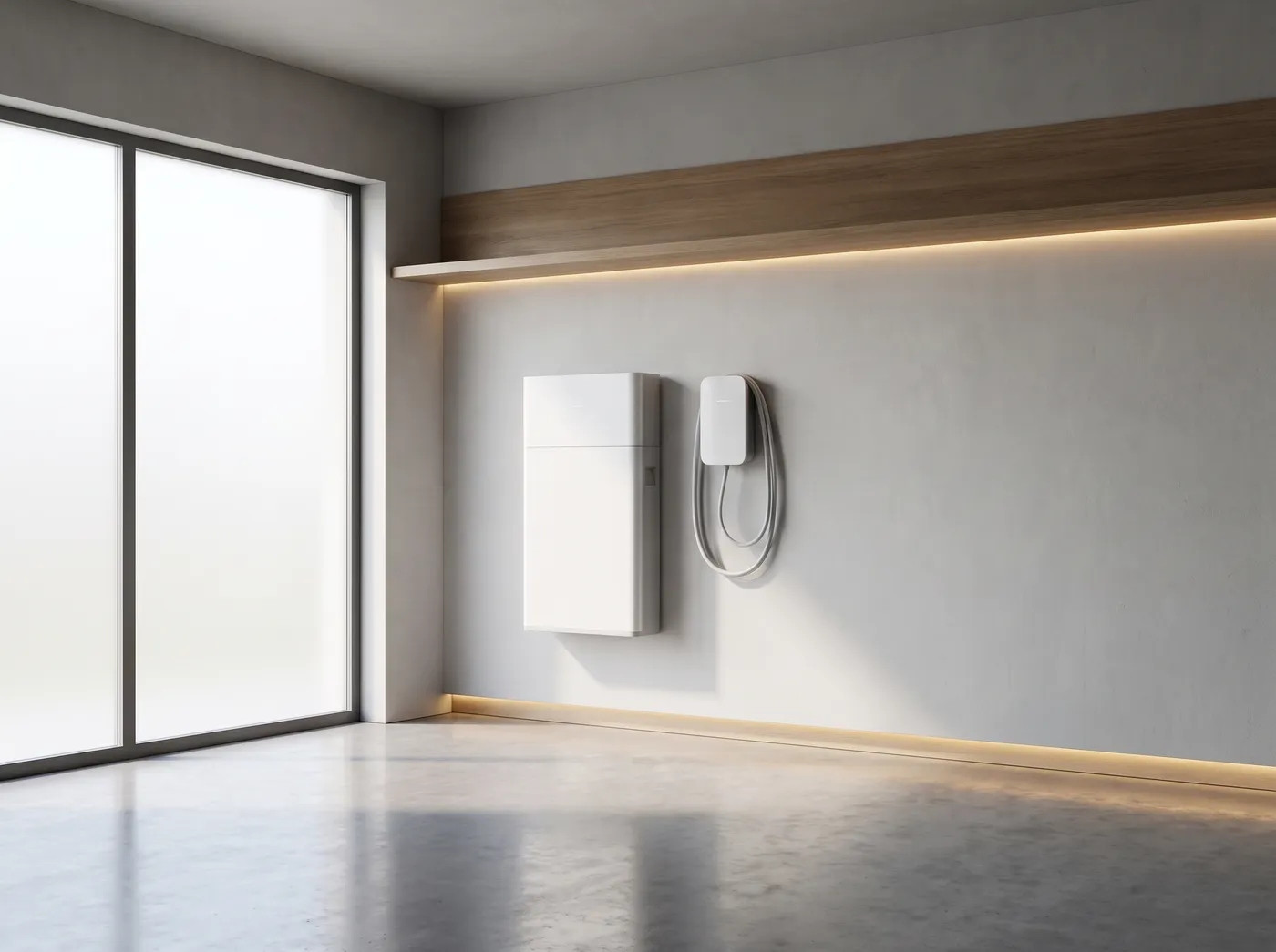
Under NEM 3.0, the power your panels export at noon earns pennies while the power you buy back at 6pm costs a quarter or more per kilowatt-hour. A battery closes that gap: your own midday production covers your own expensive evening. It's the single biggest reason solar math still works in SCE territory — and it's why we design storage-first, not as an afterthought upsell at the kitchen table.
 Visualization
Under NEM 3.0, the power your panels export at noon earns pennies while the power you buy back at 6pm costs a quarter or more per kilowatt-hour. A battery closes that gap: your own midday production covers your own expensive evening. It's the single biggest reason solar math still works in SCE territory — and it's why we design storage-first, not as an afterthought upsell at the kitchen table.
SCE's time-of-use plans bill the early evening — exactly when IE homes run hardest — at the day's highest rates. The battery shifts your cheap midday sun into that window automatically.
When the grid drops during a heat wave or a PSPS event, backed-up circuits keep running: fridge, lights, Wi-Fi, medical equipment — and with the right design, the AC. We spec what actually stays on, in writing.
Storage is sized from your actual evening usage curve, not a one-size quote. Some homes need one battery. Some need two. Some don't need one at all — and we'll say so.
Already have panels under an older net-metering deal? A retrofit battery can protect what you have and cover what it doesn't. We'll check your current agreement before recommending anything.
Simple, Transparent Process
We pull your real usage, confirm which utility bills you, and design to it — then your full price, payment, and payback math arrives in writing before any home visit.
Compare our written quote against anyone's — we'll even help you pressure-test theirs. No countdown timers; our numbers survive the night.
Licensed local crews, permits and utility paperwork handled, photographed workmanship — and one accountable warranty chain that answers the phone in year twelve.
The Daylight Standard
Price, payment, assumptions, warranties — on paper first.
Look us up before you sign. You should be looking everyone up.
SCE, RPU, or muni — the design follows YOUR bill's rules.
Inland Empire homeowners and counting.
No call centers, no area managers three states away.
We service systems we didn't install. Yours will never be orphaned.
Consistently praised for written prices that don’t move, designs that match the utility actually billing the home, and clean, on-schedule installs — with straight answers even when the answer is “don’t buy solar yet.”
Marisol Vega
Three companies gave us monthly payments. Daylight gave us a one-page sheet with the actual system price, the loan terms, and the payback math — before anyone came to the house. That's why they got the job.
David Cortez
Our SCE bill was hitting $480 in July. The battery design covers our whole 4–9pm window now and the install crew was clean, on schedule, and walked me through the monitoring app before they left.
Angela Whitfield
Honest company. They told my mother solar did NOT make sense on her small bill and fixed her orphaned system's inverter instead. Who does that? These guys.
Ramiro Cantú
We're in Riverside city on RPU and they actually knew what that meant — designed solar-only, no battery upsell, because our export credits are different. Every other quote tried to sell us storage we didn't need.
Jessica Boone
Panels plus a new roof in one project in Menifee. One crew, one warranty conversation, no finger-pointing. The paperwork was large print and plain English, exactly like they promise.
Tomás Herrera
EV charger and panel upgrade quoted up front with the solar — no surprise change orders halfway through. System's been producing right at the modeled numbers all summer.
Not always — but in SCE territory under NEM 3.0, storage is usually what makes the math work, because export credits are low while evening rates are high. City of Riverside homes on RPU are a different story: RPU still runs its own net-metering program, so solar-only can pencil there. This is exactly the kind of thing we put in writing before you decide.
Depends on the battery, the AC, and the design — a properly specced system with enough capacity and surge rating can. We list exactly which circuits stay live in your backup design. If a salesperson just says 'everything stays on,' ask them to write it down.
A typical home battery stores 10–13.5 kWh. Backing up essentials, that's easily overnight and into the next day — and it recharges from your panels each morning. Whole-home with AC drains far faster, which is why the honest answer starts with a load calculation, not a slogan.
It's a real cost — typically five figures installed — which is why nobody should buy one on vibes. We show the with-battery and without-battery math side by side, and you pick the column you like.
Call now or run the 60-second check — your numbers arrive in writing.